Good Friend Ecological Gardens began as apocalyptic ‘what if?’
What if the food supply chain suddenly failed? What would we do if supermarkets, bodegas, and farmer’s markets disappeared overnight? If all fell down, we’d have to figure out how to feed ourselves—
But I didn’t know a single person who knew how.
It was 2015, and I was a legislative attorney in housing, agriculture, and consumer policy. From work, I knew how climate change and industrial agriculture impacted farmers. They created uncertainty, drove up prices, and increased farmers’ dependence on policies and practices that hadn’t adapted to a changing world. At the last link of the food supply chain were consumers and communities. For them, impacts on farmers looked like low access to fresh food, nutritionally poor food, and rising prices. Public policy was too slow to make impactful change.
One day, I saw an opportunity in the rubble-filled, overgrown lot at the back of our Center Square, Albany brownstone.
I could create a food garden.
But a garden, like a farm, could only survive with intention and planning. It had to maximize local, regenerative inputs and view the local ecology as a planning partner, not an adversary.
With my intrigued landlord’s permission, I gathered tools, cleared, and double dug the 20 ‘ x 15‘ back lot by hand. I bought seedlings and eagerly tended the garden as it grew. I learned lessons and failed frequently, but I kept trying, adapting. I studied whatever I could find about gardening, soil health, local ecology, and permaculture. Neighbors and passersby often peered over the fence, curious about what I was doing.
Over the years, I tried new methods and materials. I took notes on site observations and new developments. I shared the garden’s bounty with friends, coworkers, and neighbors. If asked, I also shared planting advice.
In 2020, due to bad luck and good timing the garden moved 12 miles northwest of Albany, to a mid-century modern home on a sunny 1/2-acre. The site’s location and past development made for every imaginable microhabitat and soil composition. Second-growth woods, crammed and overgrown with invasive species, surrounded the plot on three sides. Soil tests and certain ‘weeds’ shouted that all of the soil was totally degraded.
Rather than make the garden into something it wasn’t, I worked with what it was. ‘Sustainable’ gardening had to mean 'low-intervention,’ too.
I studied the land, read the trees, and took notes on the wildlife that visited the property. I observed how the sun moved across the seasons and how materials impacted where and how well certain plants grew. I collected rainwater runoff and ‘stole’ neighbors’ shredded leaves to use as mulch and make leaf mold. I created and improved garden beds using hügelkultur, sheet mulching, and lasagna methods. I reused construction rubble buried in the backyard and dug out the invasive species in the woods by hand.
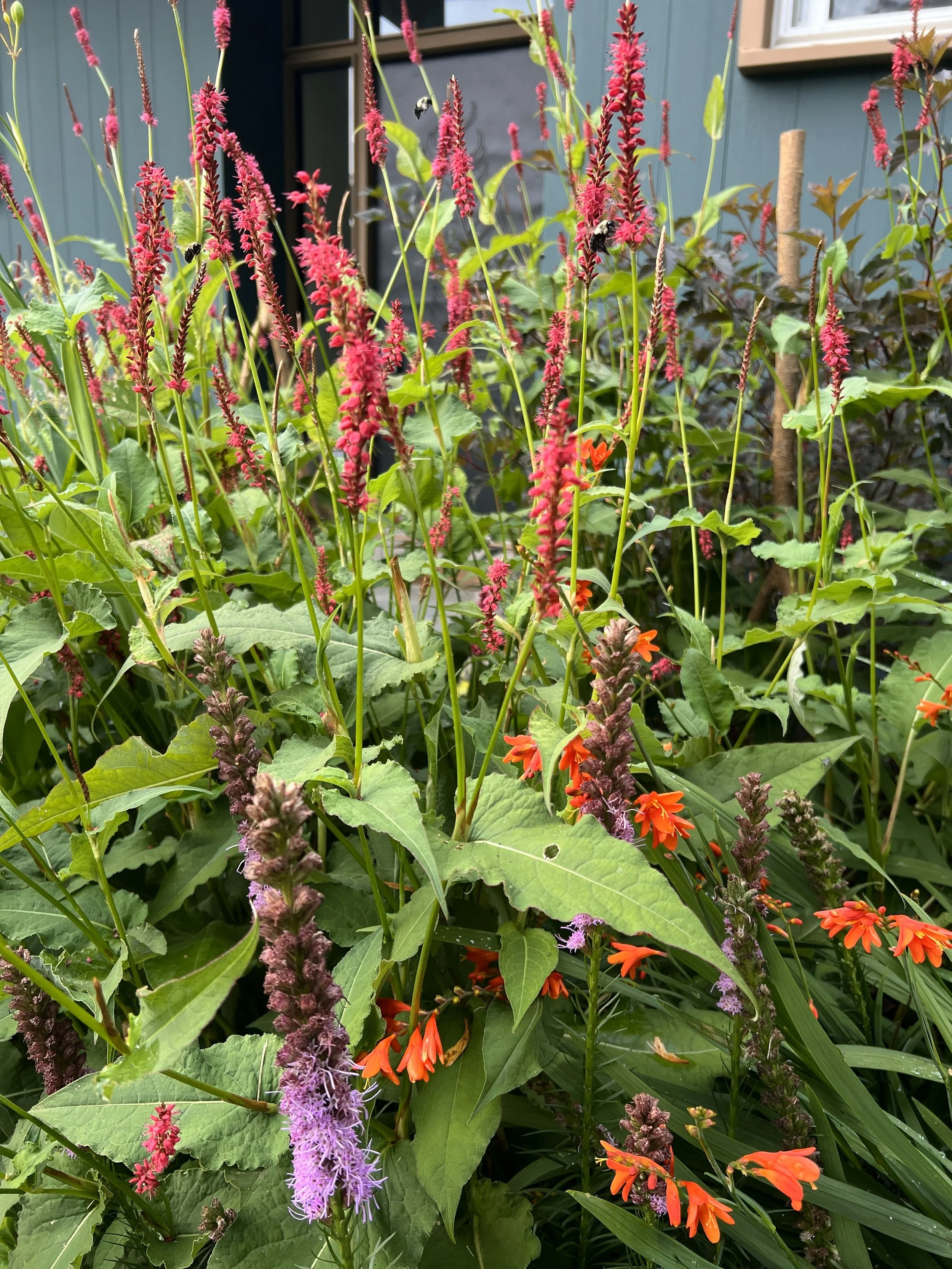
In 2021, I began growing the edible garden from seed and structured the garden into separate formal and naturalistic spaces. I wove native, non-native, medicinal, and wildlife gardens into the edible garden.
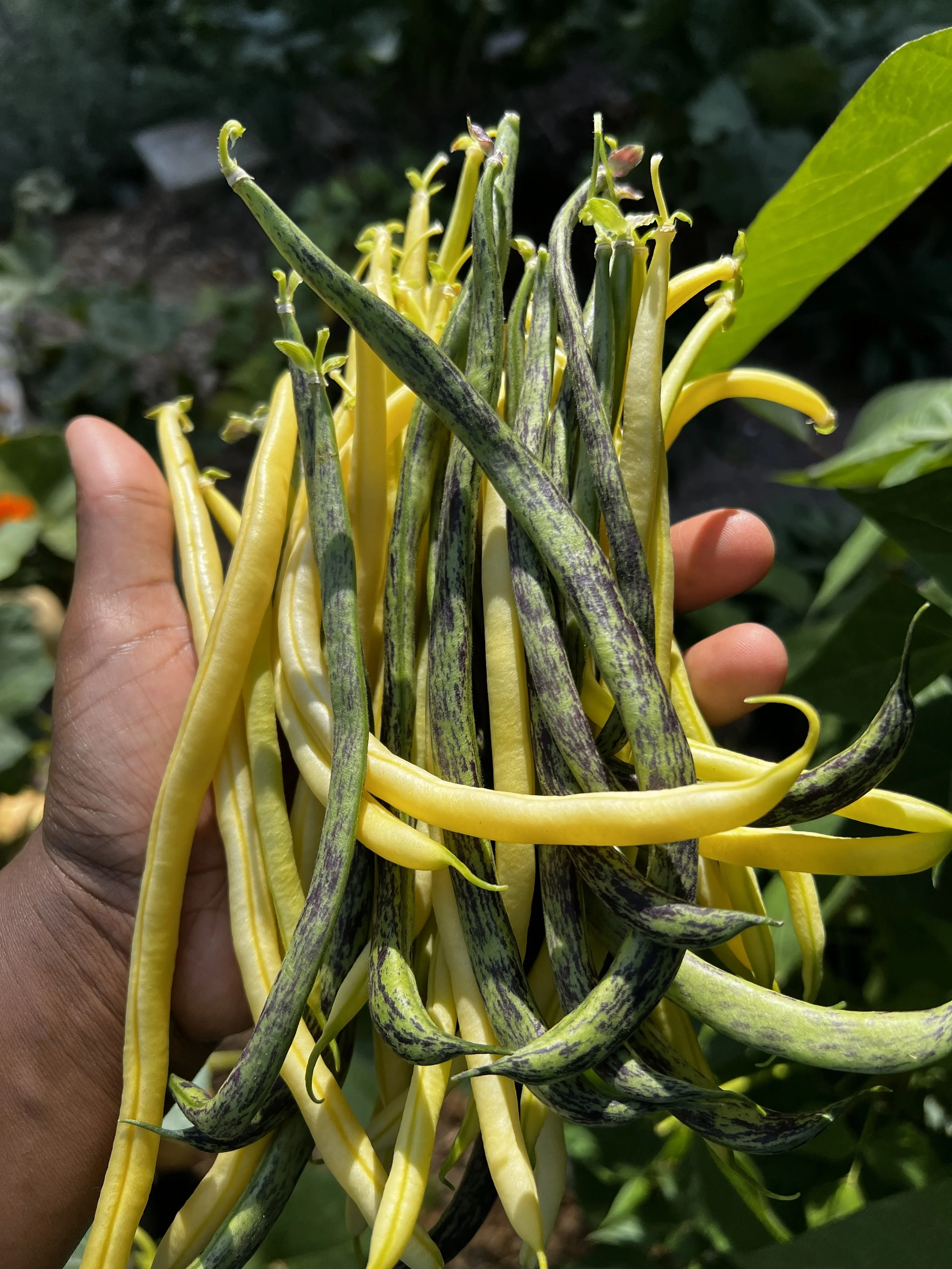
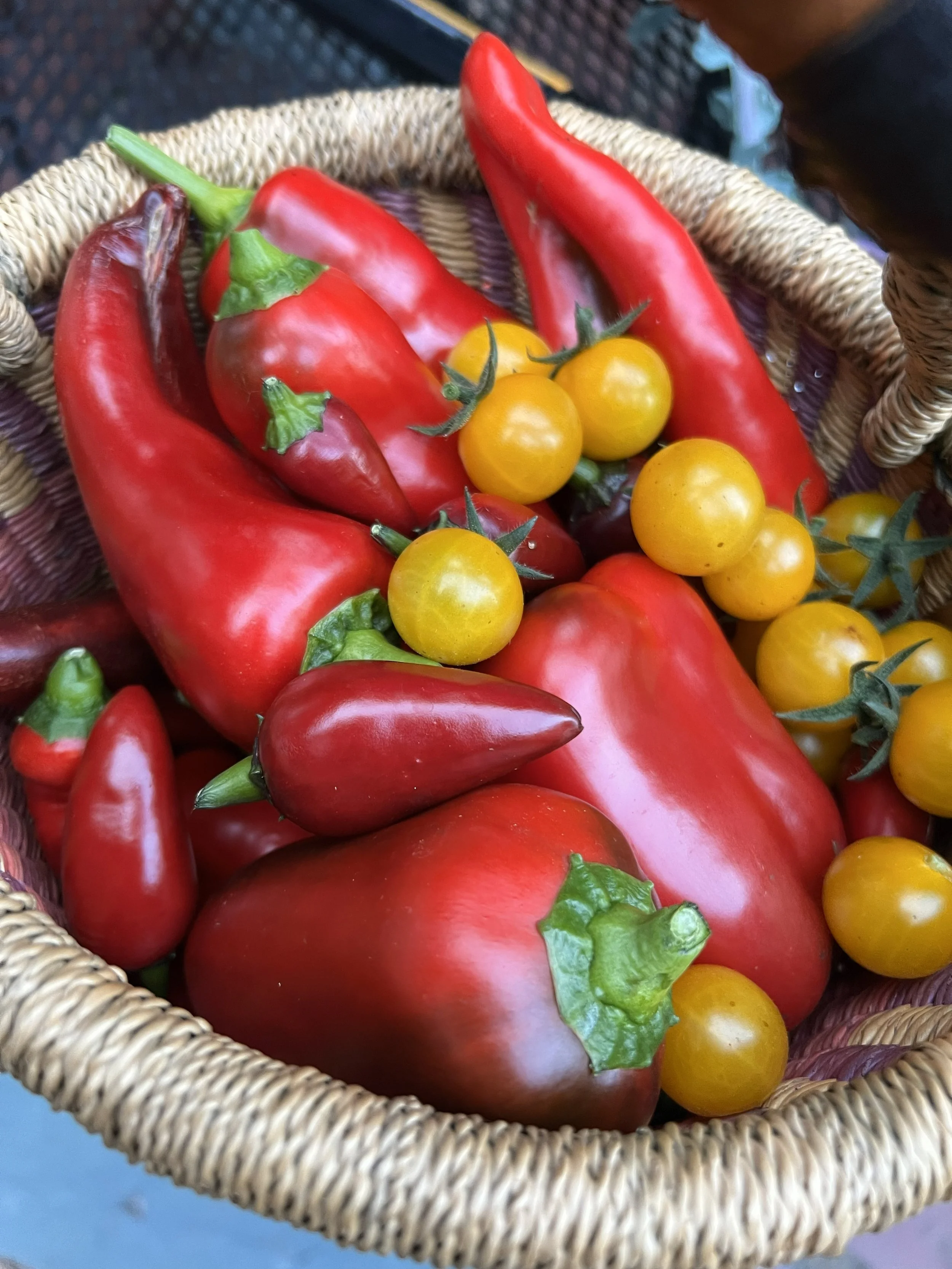
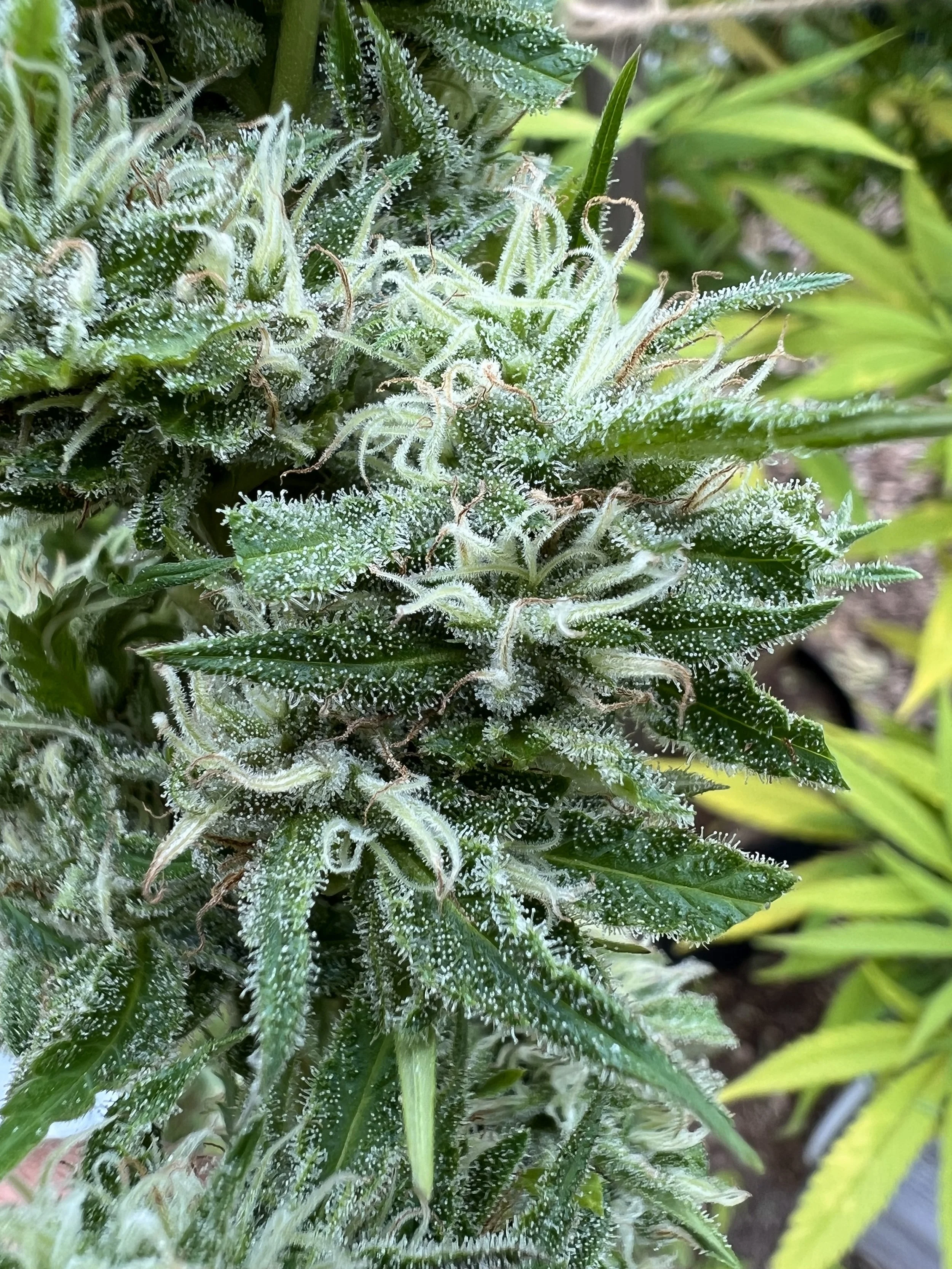
By the 2022 growing season, the garden was pesticide- and herbicide-free, balanced by polyculture, crop rotation, pruning, and integrated pest management strategies. I expanded the garden into cannabis and fruit crops. By the end of that year, I grew enough produce that I went most of the year without buying any from the grocery store.
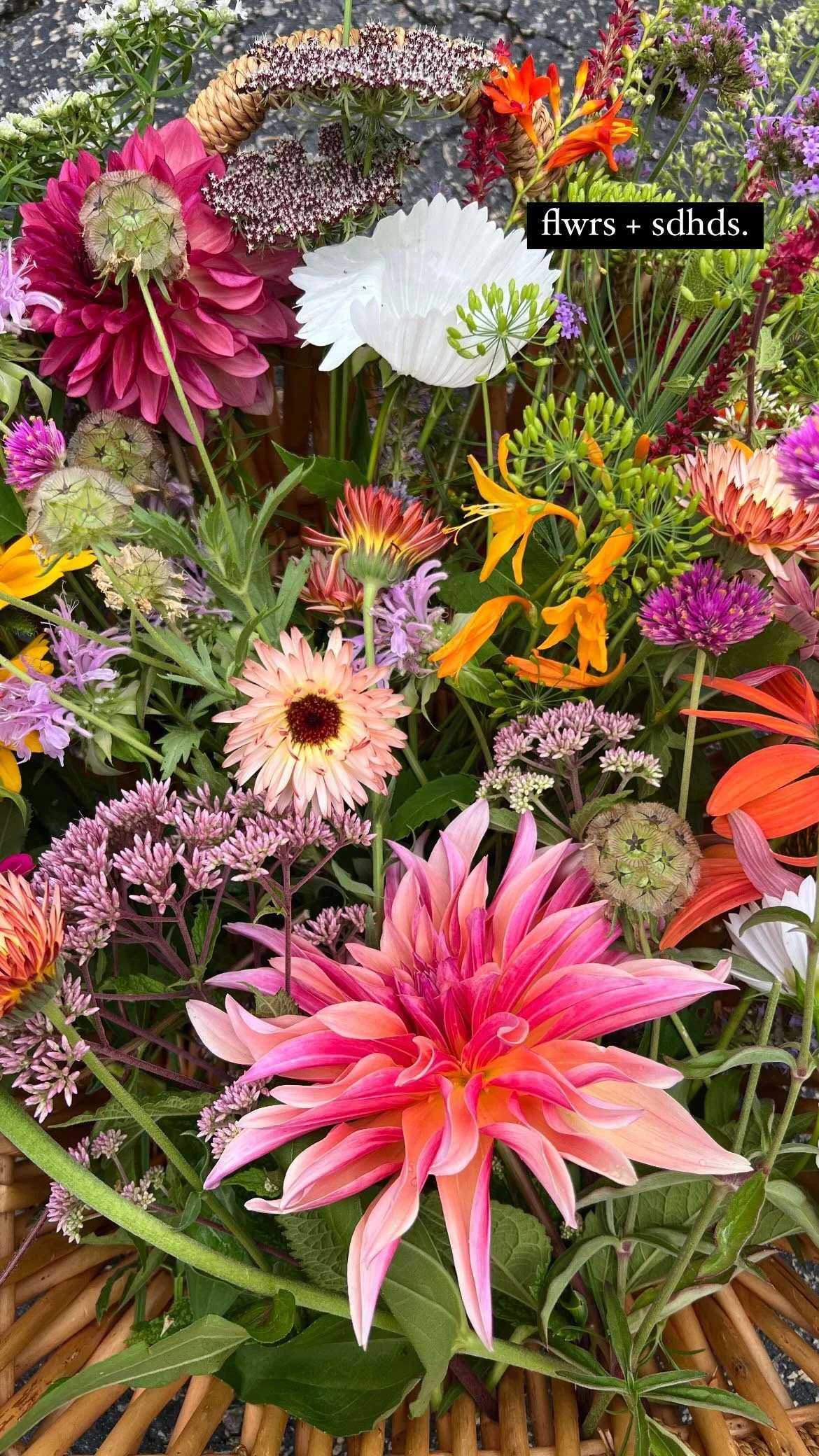
I kept sharing edibles and bouquets with my coworkers, friends, and community. It was the joy of sharing that carried me on to become a Master Gardener through my local cooperative extension, and I began taking requests for on-site consultation and garden problem-solving from friends. “You’re a good friend with this gardening stuff,’” someone said one day.
The name fit.
Today, in every season, Good Friend Ecological Garden is a place of wonder, discovery, and learning. It is what is possible when curiosity and care combine with the joy of sharing. Although Good Friend may have started with thoughts of an apocalypse, truer is the sentiment: to plant a garden is to have hope for the future.
Because of gardens, my hope is relentless.
The Story of Good Friend Ecological Gardens